In recent years, mental health has become a mainstream topic, with more people recognizing the importance of emotional well-being and professional support. However, with so many mental health therapy approaches available, choosing the right one can feel overwhelming.
This guide explores the most effective therapy types, how they work, and how to find the best option for your personal needs.
Understanding Mental Health Therapy
Mental health therapy provides a safe and confidential environment where individuals can explore their thoughts, emotions, and behaviors with a licensed mental health professional. Therapy can help people manage stress, improve relationships, overcome trauma, and develop healthier coping strategies.
While therapy is commonly used to treat conditions like anxiety, depression, and PTSD, it is also beneficial for personal growth, self-awareness, and emotional resilience.
Common Approaches to Mental Health Therapy
1. Cognitive Behavioral Therapy (CBT)
Cognitive Behavioral Therapy (CBT) is one of the most researched and widely used therapy methods. It focuses on identifying negative thought patterns and replacing them with healthier, more realistic thoughts and behaviors.
- Highly structured and goal-oriented
- Effective for anxiety, depression, and phobias
- Includes homework exercises and skill-building techniques
2. Psychodynamic Therapy
Psychodynamic therapy explores how past experiences and unconscious processes influence current thoughts and behaviors. It focuses on emotional insight and long-term personal development.
- Helps uncover deep-rooted emotional patterns
- Useful for relationship issues and trauma
- Long-term and exploratory approach
3. Humanistic and Person-Centered Therapy
Humanistic therapy emphasizes empathy, self-exploration, and personal growth. In person-centered therapy, the therapist provides unconditional support and encourages individuals to find their own solutions.
- Focuses on self-awareness and authenticity
- Non-directive and client-led
- Ideal for self-growth and emotional exploration
4. Group Therapy
Group therapy allows individuals to connect with others facing similar challenges. It provides peer support, shared experiences, and social learning opportunities.
- Reduces feelings of isolation
- Improves social and communication skills
- Available in structured or open discussion formats
5. Integrative and Holistic Therapy
Many therapists use an integrative approach, combining techniques from multiple therapy models. Holistic therapy may also include mindfulness, meditation, and lifestyle coaching.
- Customized to individual needs
- Combines emotional, physical, and mental wellness
- Often includes mindfulness and wellness practices
How to Find the Right Therapy Approach for You
- Define your goals: Do you want coping skills, emotional insight, or personal growth?
- Consider your comfort level: Structured therapies like CBT vs. exploratory therapies like psychodynamic.
- Be open to trying different methods: It may take time to find the right fit.
- Focus on the therapist relationship: Trust and connection matter more than the therapy model.
Common Myths About Mental Health Therapy
Many people hesitate to seek mental health therapy due to misconceptions. . Therapy is not only for severe mental illness—it is for anyone seeking emotional well-being, stress management, or personal development.
Therapy is not about quick fixes; it is about learning skills, gaining insight, and building resilience over time.
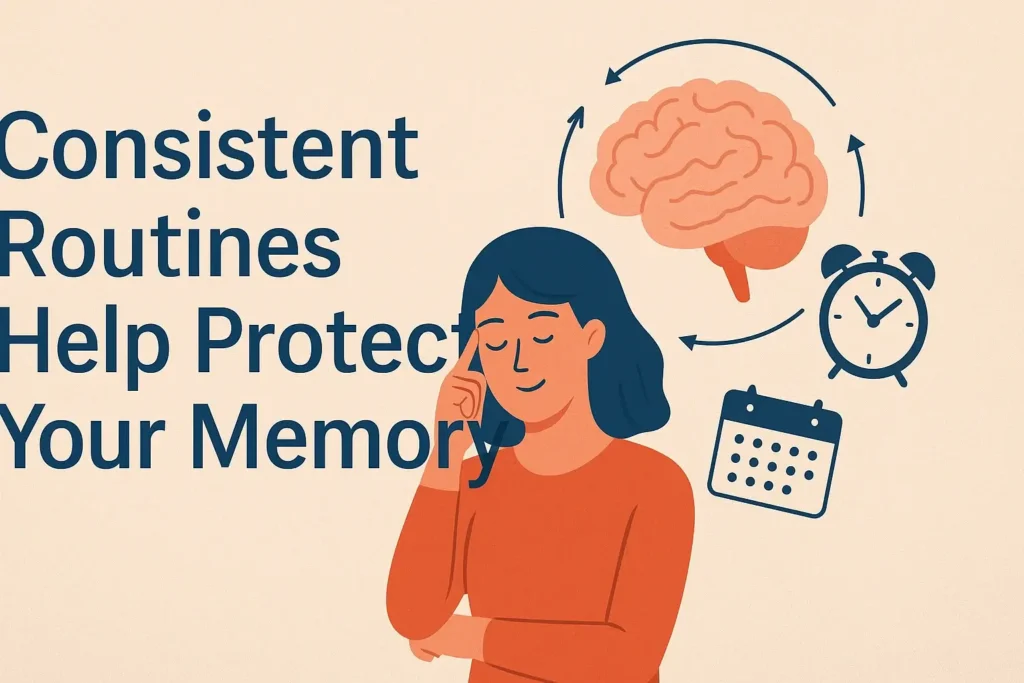
Making Therapy Part of Your Daily Life
Therapy works best when combined with healthy daily habits. Journaling, mindfulness, regular exercise, and social support can reinforce therapeutic progress and improve long-term mental health outcomes.
Final Thoughts
There is no single “best” mental health therapy approach. The right method depends on your goals, personality, and comfort level. Whether you choose CBT, psychodynamic therapy, group sessions, or a holistic approach, therapy can help you understand yourself better and build a balanced, fulfilling life.
Investing in mental health therapy is an investment in your future well-being, relationships, and overall quality of life.
Frequently Asked Questions (FAQs)
What is the most effective type of mental health therapy?
Cognitive Behavioral Therapy (CBT) is widely considered one of the most effective therapy types, but the best therapy depends on individual needs and preferences.
How long does therapy take to show results?
Some people notice improvements within a few sessions, while others may need months of therapy for lasting change.
Is therapy only for people with mental illness?
No. Therapy is helpful for anyone seeking personal growth, stress management, or emotional support.
Can I combine different therapy approaches?
Yes. Many therapists use integrative therapy, combining multiple approaches for personalized treatment.
Is online therapy effective?
Yes, online therapy has been proven effective for many mental health conditions, especially anxiety and depression.