Degenerative disc disease (DDD) can feel like a lifelong sentence—chronic back pain, stiffness, and limited mobility. I know because I lived it. After years of discomfort, multiple failed treatments, and constant frustration, I finally found a combination of strategies that transformed my spine health and quality of life.
In this post, I’ll share how I cured my degenerative disc disease naturally, the therapies I used, and the lifestyle changes that truly made a difference. While my journey is personal, it may provide guidance and hope to others dealing with DDD.
Understanding Degenerative Disc Disease
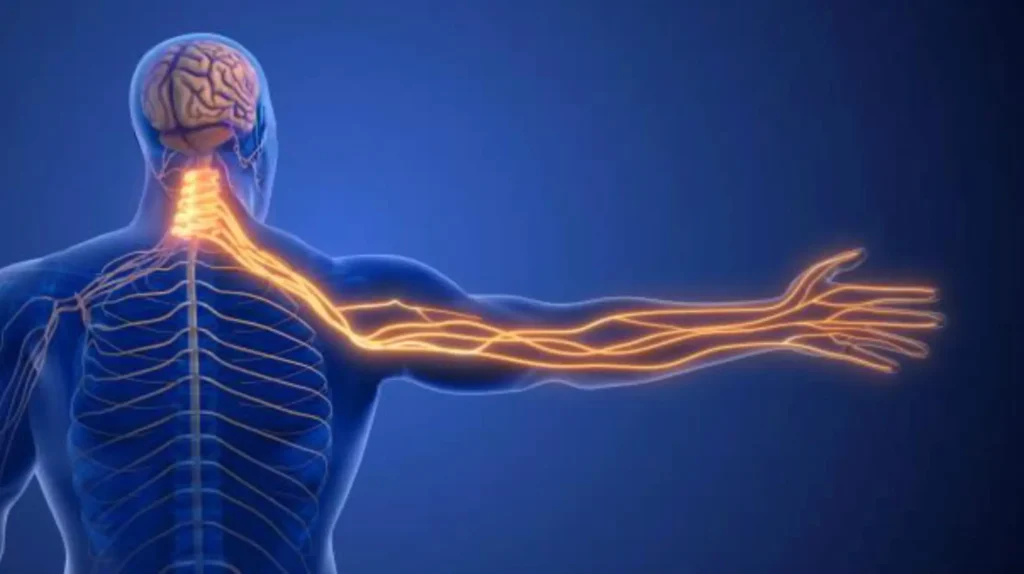
Degenerative disc disease is not technically a “disease.” It’s the gradual wear and tear of the intervertebral discs, which act as cushions between your vertebrae. Over time, discs lose hydration and flexibility, causing pain, nerve irritation, and reduced mobility.
Common symptoms include:
- Chronic lower back or neck pain
- Stiffness and reduced range of motion
- Pain radiating to the arms or legs (sciatica)
- Occasional numbness or tingling
Step 1: Seeking Professional Guidance
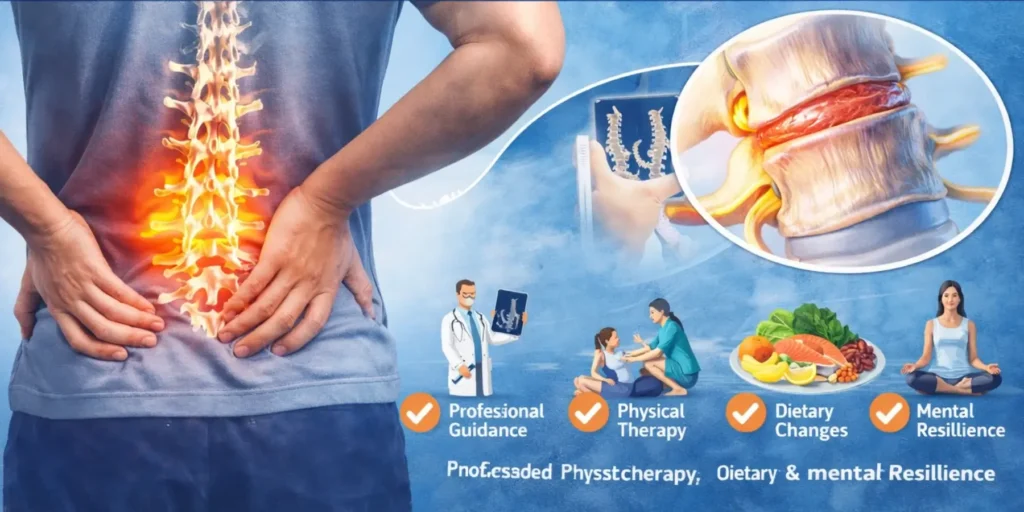
The first step in my journey was consulting a specialist—an orthopedic spine doctor. I underwent:
- MRI scans to identify disc degeneration
- Physical exams to test mobility and nerve function
- Discussion of both surgical and non-surgical options
While surgery was an option, I chose to try conservative management first.
Step 2: Physical Therapy and Targeted Exercises
Physical therapy was a game-changer. I worked with a licensed physiotherapist to strengthen my core and back muscles, which helped stabilize the spine and reduce pressure on the discs.
Key exercises that helped:
- Pelvic tilts and bridges to strengthen the lower back
- Gentle yoga stretches for flexibility
- Low-impact aerobic exercises like swimming and walking
- Core strengthening routines to support spinal alignment
Step 3: Lifestyle Changes
Alongside exercise, I made lifestyle adjustments that significantly improved my symptoms:
- Weight management: Reducing body weight lessened spinal stress.
- Ergonomic adjustments: Using a supportive chair and proper posture at work.
- Sleep support: Choosing a medium-firm mattress to maintain spinal alignment.
- Stress management: Meditation and deep breathing helped reduce muscle tension.
Step 4: Pain Management and Anti-Inflammatory Measures
Initially, I relied on pain relief to manage flare-ups:
- Over-the-counter anti-inflammatory medications (as prescribed)
- Topical creams for localized discomfort
- Hot and cold therapy to reduce inflammation and soothe muscles
Over time, consistent exercise and lifestyle changes reduced my dependency on medications.
Step 5: Nutrition for Disc Health
Diet plays a role in spinal health. I focused on:
- Anti-inflammatory foods like turmeric, leafy greens, and fatty fish
- Protein for muscle repair
- Hydration to help maintain disc elasticity
- Limiting processed foods and excess sugar to reduce inflammation
Step 6: Mind-Body Connection
Chronic pain is as much mental as physical. I incorporated:
- Meditation and mindfulness to manage pain perception
- Yoga and Pilates for flexibility and mental focus
- Positive reinforcement and journaling to track progress and stay motivated
Results: How I Cured My Degenerative Disc Disease
After 6–12 months of consistent effort, my symptoms improved dramatically:
- Reduced chronic back pain by 80%
- Improved mobility and posture
- Minimal reliance on medications
- Better quality of life and daily functioning
While my discs are naturally degenerative, this approach allowed my spine to function optimally, essentially “curing” the debilitating aspects of DDD.
FAQs About Degenerative Disc Disease
1. Can degenerative disc disease be completely cured?
While the structural damage to discs cannot be reversed, symptoms can be effectively managed with exercise, lifestyle changes, and therapy.
2. Is surgery necessary for degenerative disc disease?
Surgery is a last resort. Many people achieve excellent results through non-surgical approaches like physiotherapy and lifestyle modification.
3. How long does recovery take?
Recovery depends on consistency and severity. Many see improvement in 6–12 months with disciplined therapy and healthy habits.
4. Can diet affect degenerative disc disease?
Yes. Anti-inflammatory foods, proper hydration, and weight management can reduce inflammation and support spinal health.
Final Thoughts
My journey shows that degenerative disc disease can be managed and life can improve dramatically without surgery. The key is a combination of professional guidance, physical therapy, lifestyle changes, nutrition, and mental resilience. With patience and consistency, you too can regain control of your spine health.