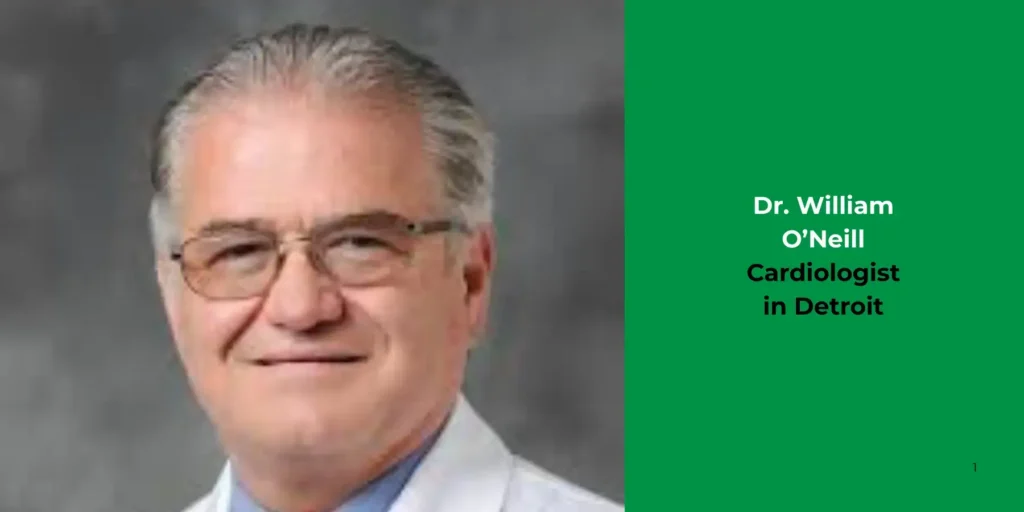
Dr. William W. O’Neill is a world-renowned interventional cardiologist based in Detroit, Michigan, USA. Internationally recognized for pioneering life-saving heart procedures, he has made major contributions to the treatment of heart attacks and structural heart disease. With decades of clinical practice, academic leadership, and groundbreaking research, Dr. O’Neill is considered one of the most influential figures in modern interventional cardiology.
Education and Medical Training
Dr. William O’Neill earned his Doctor of Medicine (MD) degree from Wayne State University School of Medicine in 1977. He completed his residency training in internal medicine and later pursued a cardiology fellowship at the University of Michigan Hospital, where he developed advanced expertise in cardiovascular intervention and research.
His early academic career included roles at the University of Michigan, where he served as director of the cardiac catheterization laboratory and associate professor of medicine.
Professional Career and Leadership Roles
Throughout his career, Dr. O’Neill has held several prestigious leadership positions in major medical institutions. He has served as:
• Medical Director, Center for Structural Heart Disease at Henry Ford Hospital, Detroit
• Corporate Chief of Cardiology at William Beaumont Hospital
• Executive Dean for Research and CEO for Research at the University of Miami Miller School of Medicine
• Director of the Division of Cardiovascular Medicine at Beaumont Health
He returned to Detroit in 2012 to lead the development of a world-class structural heart disease program at Henry Ford Hospital, focusing on minimally invasive heart treatments.
Clinical Expertise and Specializations
Dr. William O’Neill specializes in interventional cardiology and advanced catheter-based heart procedures. His key areas of expertise include:
• Treatment of acute heart attacks (myocardial infarction)
• Structural heart disease interventions
• Transcatheter aortic valve replacement (TAVR)
• Coronary angioplasty and stenting
• Cardiogenic shock management
• Minimally invasive heart valve therapies
He is widely credited with pioneering angioplasty techniques used today as the standard treatment for heart attacks worldwide.
Groundbreaking Medical Contributions
Dr. O’Neill has played a historic role in advancing cardiovascular medicine. Some of his most notable achievements include:
• Pioneering the use of angioplasty for treating heart attacks
• Performing the first transcatheter aortic valve replacement (TAVR) procedure in the United States in 2005
• Leading research on catheter-based therapies for structural heart disease
• Developing national treatment protocols for cardiogenic shock that significantly improved survival rates
His work helped shift cardiology toward less invasive procedures, allowing faster recovery and improved outcomes for patients with severe heart disease.
Research and Academic Contributions
Dr. O’Neill has authored more than 300 peer-reviewed scientific articles and abstracts, along with numerous book chapters. He also edited one of the earliest textbooks dedicated to interventional cardiology, contributing to physician education worldwide.
He has been deeply involved in clinical trials that shaped modern cardiovascular therapies, including early randomized studies of balloon angioplasty and treatments for acute myocardial infarction.
Professional Recognition and Awards
Due to his exceptional contributions to cardiology, Dr. O’Neill has received many prestigious honors, including:
• Transcatheter Cardiovascular Therapeutics Lifetime Achievement Award
• America’s Top Doctors recognition
• Seymour Gordon Award for Distinguished Achievement (American Heart Association – Michigan Chapter)
• Distinguished Alumni Award from Wayne State University School of Medicine
He is also a founding member of the American Board of Internal Medicine’s Interventional Cardiology Board, which certifies interventional cardiologists in the United States.
Patient Care Philosophy
Dr. O’Neill emphasizes innovation combined with compassionate patient care. His philosophy focuses on rapid treatment during cardiac emergencies, minimally invasive procedures, and evidence-based decision-making to improve survival and quality of life for heart patients.
Practice Location
Dr. William W. O’Neill practices at Henry Ford Hospital in Detroit, Michigan, where he serves as Medical Director of the Center for Structural Heart Disease within the Heart & Vascular Institute.
FAQs About Dr. William W. O’Neill
Who is Dr. William O’Neill?
Dr. William W. O’Neill is an internationally recognized interventional cardiologist in Detroit known for pioneering angioplasty and minimally invasive heart procedures.
What is Dr. O’Neill famous for?
He is famous for advancing angioplasty treatment for heart attacks and performing the first catheter-based aortic valve replacement in the United States.
Where does Dr. William O’Neill practice?
He practices at Henry Ford Hospital in Detroit, Michigan, USA.
What are his medical specialties?
His specialties include interventional cardiology, structural heart disease, heart valve interventions, and treatment of cardiogenic shock.
How many research publications has Dr. O’Neill authored?
He has authored more than 300 peer-reviewed scientific articles and numerous book chapters in cardiovascular medicine.
Has Dr. O’Neill held academic leadership roles?
Yes, he served as executive dean for research and CEO for research at the University of Miami Miller School of Medicine and held multiple academic leadership positions.
Why is Dr. O’Neill important in cardiology?
His innovations in angioplasty and catheter-based heart treatments transformed emergency heart attack care and modern structural heart disease management worldwide.