Can Fluoride Toothpaste Help with Gum Disease? Benefits, Myths & Best Practices
When it comes to oral health, most people associate fluoride toothpaste with cavity prevention. But can it also help with gum disease? The short answer is yes—fluoride toothpaste plays an important role in protecting teeth and supporting gum health, although it cannot cure gum disease on its own.
Gum disease (periodontal disease) affects nearly half of adults worldwide and can lead to tooth loss if left untreated. In this guide, we’ll explain how fluoride works, its role in gum health, and the best ways to use it effectively.
What Is Gum Disease?
Gum disease is an infection of the tissues that support your teeth. It develops in two main stages:
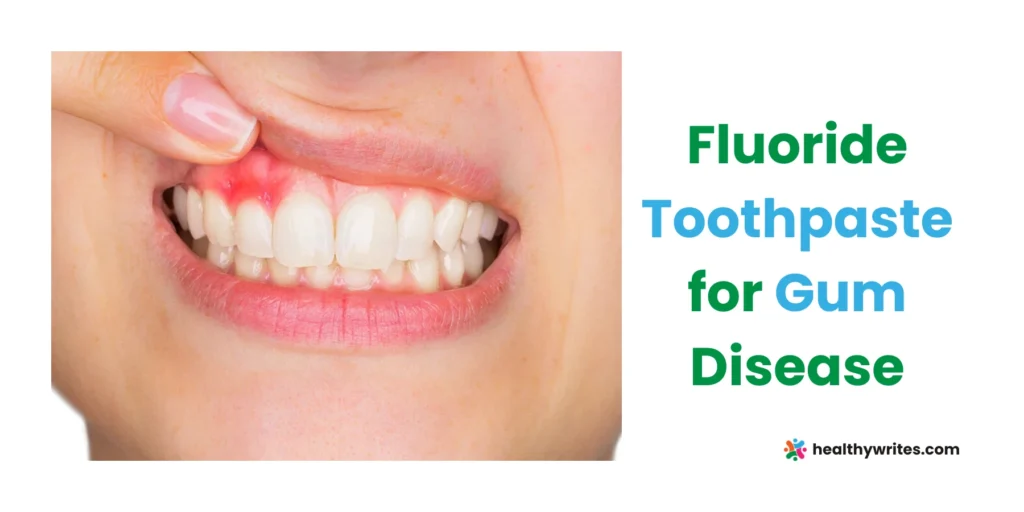
- Gingivitis – The earliest and mildest stage, marked by red, swollen, or bleeding gums. Gingivitis is reversible with proper oral hygiene.
- Periodontitis – An advanced stage where gums pull away from teeth, bone loss occurs, and teeth may become loose. This stage requires professional dental treatment.
The primary cause of gum disease is plaque buildup—a sticky layer of bacteria that forms on teeth and irritates gum tissue if not removed.
How Does Fluoride Toothpaste Help?
Fluoride is a natural mineral proven to protect teeth and improve oral health. Here’s how fluoride toothpaste supports gums and teeth:
1. Strengthens Tooth Enamel
Fluoride strengthens tooth enamel and makes it more resistant to acid attacks from bacteria. Healthy teeth create a stable foundation for healthy gums.
2. Reduces Plaque-Related Damage
Fluoride does not kill gum bacteria directly, but it reduces the damage bacteria cause by preventing enamel erosion and tooth sensitivity.
3. Supports Healing in Early Gum Disease
When combined with brushing and flossing, fluoride toothpaste can help control gingivitis by reducing decay and allowing gums to heal.
4. Protects Against Root Decay
Gum recession exposes tooth roots, which are more vulnerable to cavities. Fluoride protects exposed roots and reduces the risk of root decay.
Can Fluoride Toothpaste Cure Gum Disease?
No. Fluoride toothpaste cannot cure gum disease—especially advanced periodontitis. It should be used as part of a complete oral care routine, including:
- Brushing twice daily and flossing
- Professional dental cleanings
- Antibacterial or specialized toothpaste (such as stannous fluoride or chlorhexidine, if recommended by a dentist)
- A balanced, low-sugar diet
Think of fluoride toothpaste as a protective shield—it strengthens teeth and supports gum health but cannot replace professional treatment.
Best Practices for Using Fluoride Toothpaste
To get the most benefit from fluoride toothpaste:
- Brush twice daily for at least two minutes.
- Spit out excess foam but avoid rinsing immediately to let fluoride stay on your teeth longer.
- Use a soft-bristled toothbrush to prevent gum irritation.
- Floss daily and use an antibacterial mouthwash.
Visit your dentist regularly for checkups and cleanings to prevent gum disease progression.
Common Myths About Fluoride Toothpaste
Myth 1: Fluoride only helps with cavities, not gums.
Fact: Fluoride indirectly supports gum health by strengthening teeth and reducing bacterial damage.
Myth 2: Fluoride toothpaste is harmful.
Fact: Decades of research show fluoride is safe and effective when used as directed.
Myth 3: Natural fluoride-free toothpaste is better for gums.
Fact: Natural toothpaste may feel gentle, but fluoride is essential for long-term cavity and tooth protection.
FAQs About Fluoride Toothpaste and Gum Disease
1. Which fluoride toothpaste is best for gum disease?
Look for toothpaste containing fluoride plus gum-health ingredients like stannous fluoride, zinc, or triclosan (if recommended by your dentist).
2. How long does it take for fluoride toothpaste to improve gum health?
Gum inflammation may improve within a few weeks with consistent brushing, but advanced gum disease requires professional dental treatment.
3. Can kids use fluoride toothpaste for gum health?
Yes. Children under 6 should use a pea-sized amount and be supervised to prevent swallowing.
4. Should I use fluoride mouthwash as well?
Yes. A fluoride rinse provides extra protection, especially for people with gum recession or frequent cavities.
Final Thoughts
Fluoride toothpaste is not a cure for gum disease, but it is one of the most powerful tools for prevention and management. By strengthening enamel, protecting exposed roots, and supporting early gum healing, fluoride creates a healthier environment for your gums.
For the best results, combine fluoride toothpaste, daily flossing, healthy diet habits, and professional dental care. This holistic approach significantly reduces your risk of gum disease and tooth loss.