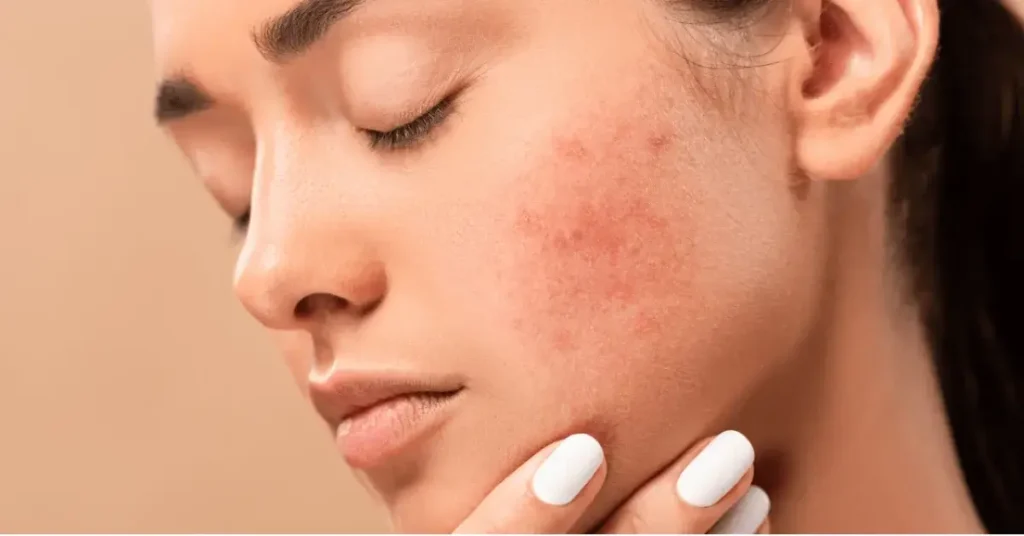
Acne is a common skin condition that occurs when hair follicles become clogged with oil (sebum) and dead skin cells, leading to pimples or zits on the skin. This process can trigger inflammation and is more noticeable on oilier skin types, a focus of skincare guidance in 2026.
Although acne can appear on the back, chest, and shoulders, the face is the most common area affected. It involves inflammation of the sebaceous (oil) glands that connect to hair follicles. Pores allow sebum to reach the skin’s surface, and clogged follicles filled with dead skin cells and keratin can lead to pimples.
Types of Acne
Pimple forms
Acne breakouts take several forms, all stemming from clogged hair follicles and inflammation. The common types include whiteheads, blackheads, and deeper nodules, among others.
White heads
Whiteheads are small, raised bumps created when a hair follicle becomes blocked beneath the skin.
Black heads
Blackheads are open comedones formed when a plugged follicle opens to the skin surface. They appear dark not because they are dirty, but because the sebum is exposed to air and oxidizes.
The pores
These inflamed lesions typically resemble small pink pimples and can be tender. Pustules, sometimes called pimples, are papules topped with pus-filled centers that may appear red.
Nodules
Nodules are large, hard lumps that lie deep within the skin and can be painful.
Acne Treatment
Medical professionals and researchers recognize that acne can result from a combination of factors, including oil production, pore blockage, and bacterial growth. To help prevent breakouts, consider these guidelines and skincare practices. For broader skin health strategies, see our melasma treatment article or explore the gentle pigment renewal resource.
- Excess oil production inside a pore.
- Blockage of dead skin cells within the follicular opening.
- Bacterial growth within the pore.
- Gently wash the affected areas with a mild cleanser twice daily at most.
- Rinse with lukewarm water and pat dry with a soft towel; avoid hot or very cold water, which can irritate the skin.
Never try to “clean out” blackheads or pinch spots. These actions can worsen inflammation and cause scarring. Also avoid oil-based makeup or skincare products that are comedogenic. For broader skin health strategies, see our gentle pigment renewal resource.
These guidelines align with current recommendations to minimize irritation and prevent worsening breakouts. For additional strategies on pigmentation-related skin concerns, see melasma treatment.
Acne Impact on Hormones
Acne may result from an increase in android, or male sex hormones. During puberty, they usually increase in both boys and girls and cause the sebaceous glands to enlarge and produce more sebum. Acne can also result from pregnancy-related changes in hormones.
- History in the family: According to researchers, having face-prone parents may increase your risk getting acne.
- Drugs: Certain medications including those including hormones.
- Diet: Owing to some research, eating some food could aggravate acne.
- Researchers are still looking at how nutrition may contribute to acne.
- Pressure from backpacks, restrictive clothes and athletics helmets.
- Climatic irritants include high levels of moisture and pollution.
- Rubbing or squeezing imperfections.
- Rubbing too hard on your skin.
Kinds of Acne locations
Acne can cause six primary types of spots:
- They are not filled with dirt;
- Whiteheads resemble blackheads but may be firmer and not release when squeezed;
- Nodules are large hard lumps that develop beneath the skin’s surface and can be painful;
- They are large pus-filled lumps that resemble boils and carry.
- Wash the skin in the afflicted regions no more that twice a day.
- Use lukewarm water and a light soap or cleanser to wash the afflicted area.
- Never attempt to “clean out” pinch spots or blackheads. This may exacerbate them and result in long-lasting damage.
What are causes of acne?
Although it can begin at any age, acne is most frequently associated with the hormonal changes that occur throughout puberty.
The oil-producing glands close to the skin’s hair follicles create more oil (abnormal sebum) when certain hormones are released.
The normal innocuous skin bacterium P. acnes becomes more active due to the aberrant sebum production, leading to irritation and pus production.
Additionally, the hormones thicken the follicle’s inner lining, which clogs the pores. Removing this obstruction is not aided by cleansing the skin.
Additional potential reasons
Acne has been connected to family times past. If both of your parents had acne, you are more possible to have it as well. Women may also get acne as a result of hormonal changes, such as those skilled during period or pregnancy. There is no signal that having sex or living ineffectively encourages acne.
Who is impacted with Acne?
Teens and younger adults are prone to acne. Most people experience intermittent acne for several years before their symptoms improve as they age. Acne can occasionally persist until adulthood. In persons over 35, acne affects about 3% of the population.
Use lukewarm water and a light soap or cleanser to wash the afflicted area. Never attempt to “clean out” pinch spots or blackheads. This may exacerbate them and result in long-lasting damage. Steer clear of oil based makeup, skincare, and sun protection products (often referred to as “comedogenic”).
Use non-comedogenic water-based products; they are less likely to clog your skin’s pores. Use a water-based emollient without any fragrance if dry skin is an issue.
Even today, acne is a highly prevalent inflammatory dermatosis that frequently has a substantial psychological morbidity component. Young adults are usually affected at a period of maximal physical, emotional, and social transformation. For mental health considerations related to acne, see our panic attack guide.
Conclusion
Although acne is not life-threatening, its symptoms can cause significant psychological distress, which sometimes accompanies health concerns. It can also leave a person with scarring and discomfort. The sebaceous glands responsible for acne are located on the forehead and face because they provide a selective advantage by lubricating the broadest areas of the skin, supporting the skin’s protective functions. For more skin health strategies, see our gentle pigment renewal resource.