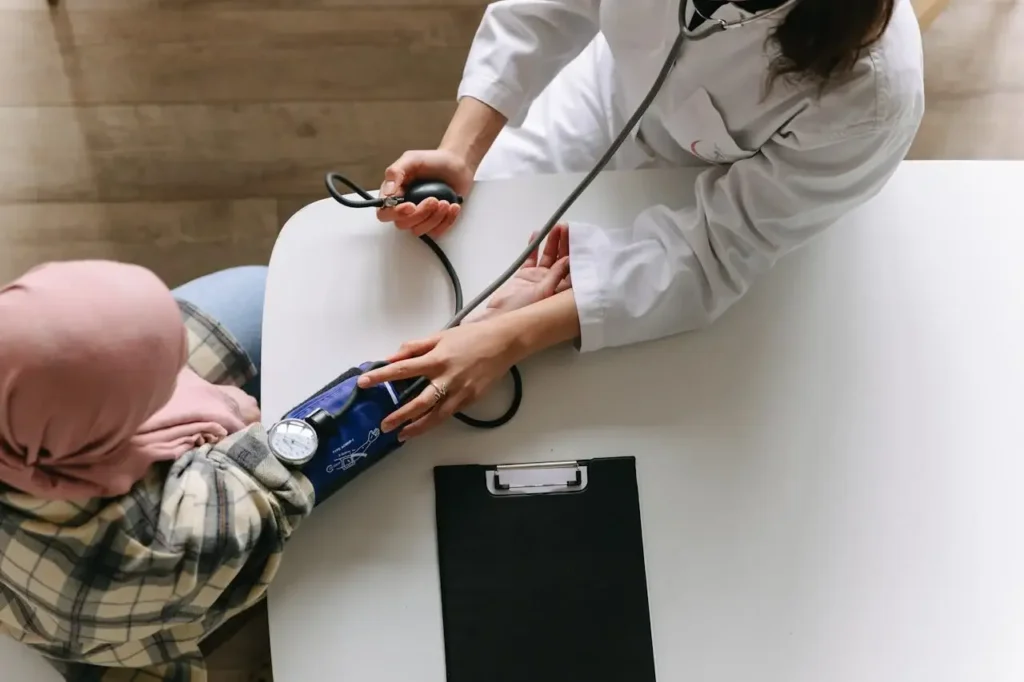
Cancer is a word that often comes with fear, confusion, and worry about the future. Many people believe cancer appears suddenly without warning. But in most cases, cancer grows slowly over time.
“It begins with small changes in cells, which can be detected early if we stay attentive.” That is why awareness, regular screenings, and healthier habits are some of the strongest shields we have today.
Cancer is not always preventable, but early detection and preventive care can significantly reduce risk and make you feel in control of your health. When we catch cancer early, treatment becomes simpler,
less aggressive, and far more successful.
Let us understand how prevention gives us power back.
What is early detection and why should you take action
Early detection means finding cancer or precancerous changes before symptoms become serious.
Medical science has shown that early-stage cancers are easier to treat and are unlikely to spread to other parts of the body.
When cancer is caught early:
- Treatment success rates are higher
- Survival strongly improves
- Hospital stays are shorter.
- Fewer side effects appear
- The cost of care is much lower.
Many cancers give warning signs. Listening to the body and acting quickly can make a major difference.
The biggest challenge: People ignore symptoms
Many people delay check-ups due to fear, embarrassment, or simply because they feel the symptoms are not serious. But untreated warning signs may become dangerous.
Some common early signs that need medical attention include:
- Persistent cough or voice change
- Sudden weight loss without trying
- New lumps or swelling in the body
- Continual digestive problems
- Changes in moles or skin patches
- Irregular bleeding
- Long-lasting fatigue
These do not always mean cancer, but they do mean: check it, do not guess it.
Cancer screenings that save lives
Routine screenings are one of the most effective prevention tools. In India, doctors recommend the following:
Type of Cancer Recommended Test Suggested Starting Age
- Breast cancer Breast exam and mammogram 40 years or earlier if high risk
- Cervical cancer Pap smear or HPV test 25 years and above
- Oral cancer Oral examination for tobacco users Adulthood onwards
- Colon cancer Stool test or colonoscopy 45 years and above
- Prostate cancer PSA test for high-risk men 50 years or earlier with a family history
- Screenings do not take much time. They save lives.
Prevention starts before the disease begins
Lifestyle choices greatly influence your immunity, cell health, and hormone balance, giving you the power to protect your future health every day.
Here are daily choices that protect long-term health:
- Quit smoking and avoid tobacco in any form
- Reduce alcohol consumption
- Choose a balanced diet filled with fresh fruits and vegetables
- Maintain a healthy weight
- Sleep well every night
- Manage stress with relaxation activities
- Stay physically active at least five days a week
- Avoid too much sun exposure and use sunscreen
- Vaccinate against HPV and Hepatitis B based on age group
Small changes today can prevent major diseases years later. This is called Understanding Early
Diagnosis and Prevention, because awareness plus action equals protection.
Family history matters
Some people carry a higher risk due to genetic factors passed down through family members. In such cases:
- Regular screenings should start earlier.
- Doctors may recommend genetic testing.
- Lifestyle habits become even more important.
Knowing your family’s medical background is a smart health strategy that can bring you closer to loved ones and provide reassurance in managing your health risks.
When treatment becomes part of prevention
For people who have already faced cancer once or have a high chance of developing it again, medication may be part of the preventive plan. Some individuals require preventive therapy to reduce recurrence risks or support long-term cancer control.
Healthcare platforms allow patients to access Anticancer Medication at MrMed under prescription guidance to stay consistent with treatment and monitoring.
Consistency builds stronger safety.
The emotional side of early detection
Fear stops many people from getting screened. They worry:
- What if the test finds something?
- How will my family react?
- Will my life change completely?
But here is the comforting reality:
Finding a problem early gives you more control and more time to fight it.
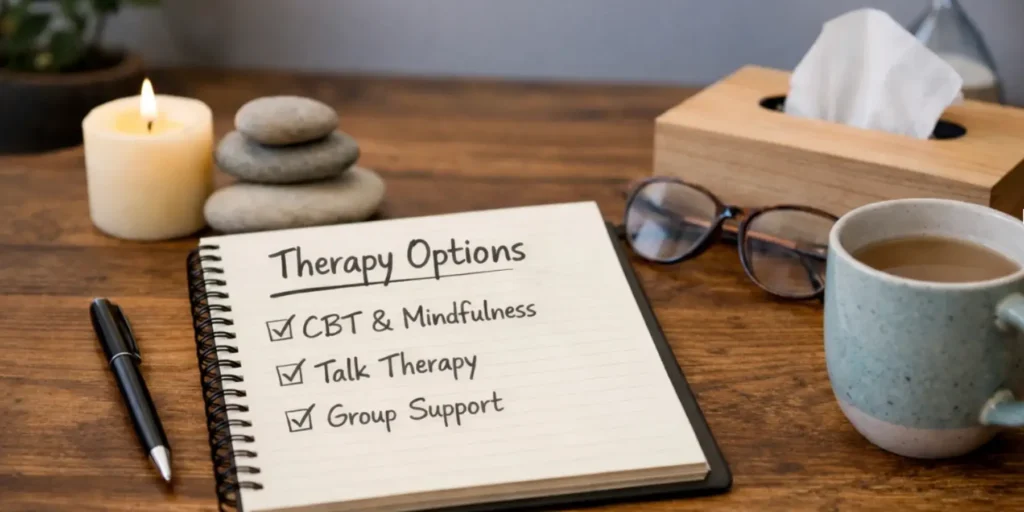
Doctors today focus not only on treatment but also on emotional well-being through counselling, support groups, and mental health care. Courage means checking.
Courage means prevention.
India’s growing focus on preventive health
Awareness movements and digital health access are helping more people understand the need for early detection. Preventive health checks are now offered at workplaces, community camps, and
hospitals across the country.
Doctors are encouraging families to adopt preventive care as a normal part of life instead of waiting for warning signs.
Reliable Expert-Reviewed Cancer Prevention guidance can help individuals understand personal health risk and take timely steps.
The conversation is changing from fear to empowerment.
What caregivers can do
Families play a major role in prevention by:
- Motivating loved ones to take health check-ups seriously
- Helping track annual screening date
- Encouraging healthy habits at home
- Supporting emotional comfort during tests or diagnosis
When families work together, prevention becomes stronger and easier.
Prevention is a lifelong health investment
Cancer risk does not begin at a certain age. It builds over the years, shaped by habits, genetics, and health conditions. The sooner we adopt preventive strategies, the more powerful they become.
Every check-up is a shield. Every healthy habit is a defence. Every early step protects the future.
Final Thoughts
Cancer is not always avoidable, but its damage can be reduced significantly through early detection and preventive care. Taking regular screenings seriously, responding promptly to unusual symptoms, and choosing healthier habits every day create a strong line of defence.
Awareness is not fear. Awareness is strength. By taking charge of your health now, you give yourself the best chance of a safer, healthier tomorrow.