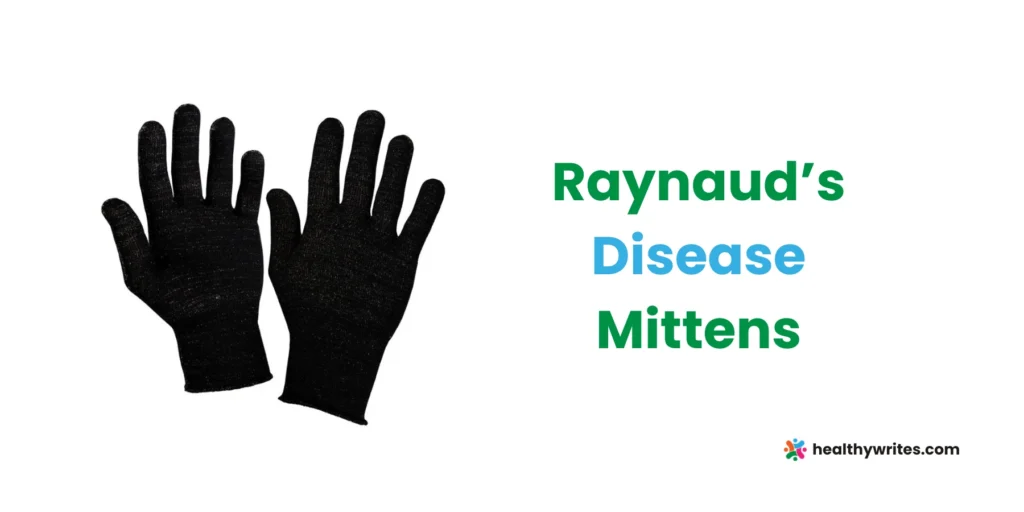
Living with Raynaud’s disease can be frustrating, especially when cold temperatures or stress trigger painful attacks. Fingers may turn white or blue, become numb, and feel icy cold. A simple, practical way to manage Raynaud’s symptoms is to keep your hands warm, and Raynaud’s mittens are an accessible tool that many people rely on daily. If you’re looking for a practical, year-round strategy to protect your hands, mittens can play a central role.
In this article, you’ll learn why mittens can outperform gloves for Raynaud’s, what to look for when buying them, and how to protect your hands year-round. For broader circulatory health context, see our guide on high blood pressure. If stress is a trigger for you, our Panic Attack: Symptoms, Causes, Treatment & How to Cope article offers practical coping strategies as well.
Why Are Mittens Better Than Gloves for Raynaud’s?
While gloves separate each finger, mittens group them together, allowing body heat to circulate more effectively. This extra warmth makes mittens a superior choice for people with Raynaud’s disease.
Key benefits of mittens:
- Retain more heat compared to gloves
- Reduce exposure of fingers to cold air
- Allow for hand warmers to be inserted inside
- Provide comfort during outdoor activities in winter
Features to Look for in Raynaud’s Disease Mittens
When shopping for mittens designed for Raynaud’s, keep these features in mind:
- Insulation – Look for mittens made with thermal insulation (down, wool, or synthetic fibers, or phase-change materials) to trap heat.
- Windproof & Waterproof Materials – Protects hands from windchill and dampness, which can worsen Raynaud’s symptoms.
- Heated Mittens – Battery-operated or rechargeable mittens provide consistent warmth and are ideal for severe cases.
- Soft Inner Lining – Fleece or merino wool linings add comfort and help wick away moisture.
- Adjustable Fit – Elastic cuffs or wrist straps help lock in warmth and prevent cold air from seeping in.
In addition to the basics, some newer options use phase-change materials (PCM) to help stabilize temperature, while classic insulation remains effective. Advances in PCM textiles may offer longer-lasting warmth in a variety of outdoor conditions.
Best Types of Mittens for Raynaud’s Disease
For extra warmth, pair mittens with thin liner gloves when you expect extreme cold.
- Thermal Mittens: Affordable and effective for daily wear.
- Heated Mittens: Ideal for outdoor sports or very cold climates.
- Wool Mittens: Natural insulation with breathability.
- Layered Mittens: Combine thin liner gloves with insulated mittens for maximum protection.
Extra Tips for Managing Raynaud’s in Cold Weather
Mittens are a powerful tool, but they work best when combined with other lifestyle adjustments. If stress is a trigger for you, see our Panic Attack: Symptoms, Causes, Treatment & How to Cope article for practical coping strategies.
- Dress in layers – Keep your whole body warm, not just your hands.
- Use hand warmers – Slip disposable or rechargeable warmers inside mittens.
- Stay active – Moving fingers and hands improves circulation.
- Avoid sudden temperature changes – Gradually warm your hands instead of exposing them directly to hot water.
- Practice stress management – Stress can also trigger Raynaud’s episodes, so relaxation techniques help.
When to See a Doctor
If you experience frequent or severe Raynaud’s attacks despite protective measures like mittens, consult a doctor. You may need medication to improve blood flow or tests to rule out secondary Raynaud’s, which can be linked to autoimmune diseases. If you have concerns about blood flow or conditions like high blood pressure, seek medical evaluation.
Final Thoughts
Mittens may seem like a small accessory, but for people with Raynaud’s disease, they can make a huge difference in daily comfort and protection. Choosing the right pair — whether heated, wool, or thermal — helps keep fingers warm, reduces attacks, and makes winter far more manageable.
Investing in Raynaud’s mittens isn’t just about comfort; it’s about protecting your circulation and maintaining quality of life. For broader perspectives on nervous system and circulatory health, you can explore related topics such as our article on nerve damage to understand how different conditions can intersect with daily warmth and comfort. For a broader look at how nutrition and vitamin D status relate to circulation, see Vitamin D in Northern Europe: Why Supplementation Matters More Than You Think.